To Charing Cross tube station and manage to get the right exit to emerge into the crisp, chilly light of Trafalgar Square. The usual crowd of tourists is milling about listening to some hapless busker wail his plaintive song and looking with bemused curiosity at the man who chalks copies of flags of the world directly onto the paving stones in front of the National Gallery. It’s not a very elevating scene but at least today those dreadful scruffy human statues and irritating levitating Yodas are absent. Maybe the new London mayor has authorised the culture police to start tidying up the city or perhaps the performers – if that’s the right word to use for people whose main activity seems to consist of being as inactive as possible – have discovered that it’s currently just too cold to spend the day stood stock still doing nothing. Presumably, when the temperature drops below a certain level, there’s a real risk of becoming literally, permanently frozen stiff and while one wouldn’t wish this fate to befall anyone, if it did happen then it would, I suppose, be a hugely ironic case of life imitating art.
Unfortunately, the other dreadful distraction despoiling the elegance of the country’s most famous Square remains. But, at least David Shrigley’s black bronze sculptural tease that pokes a giant elongated thumb skywards from its position on the fourth plinth is only temporary and will be headed for the scrapyard at the end of the year. Whatever is chosen to dislodge this current monstrosity in 2018 can hardly fail to be an improvement but judging by the National Gallery’s current display of the five short-listed potential replacement sculptures, there’s a chance that Londoners might actually get something worth spending a little time looking at.
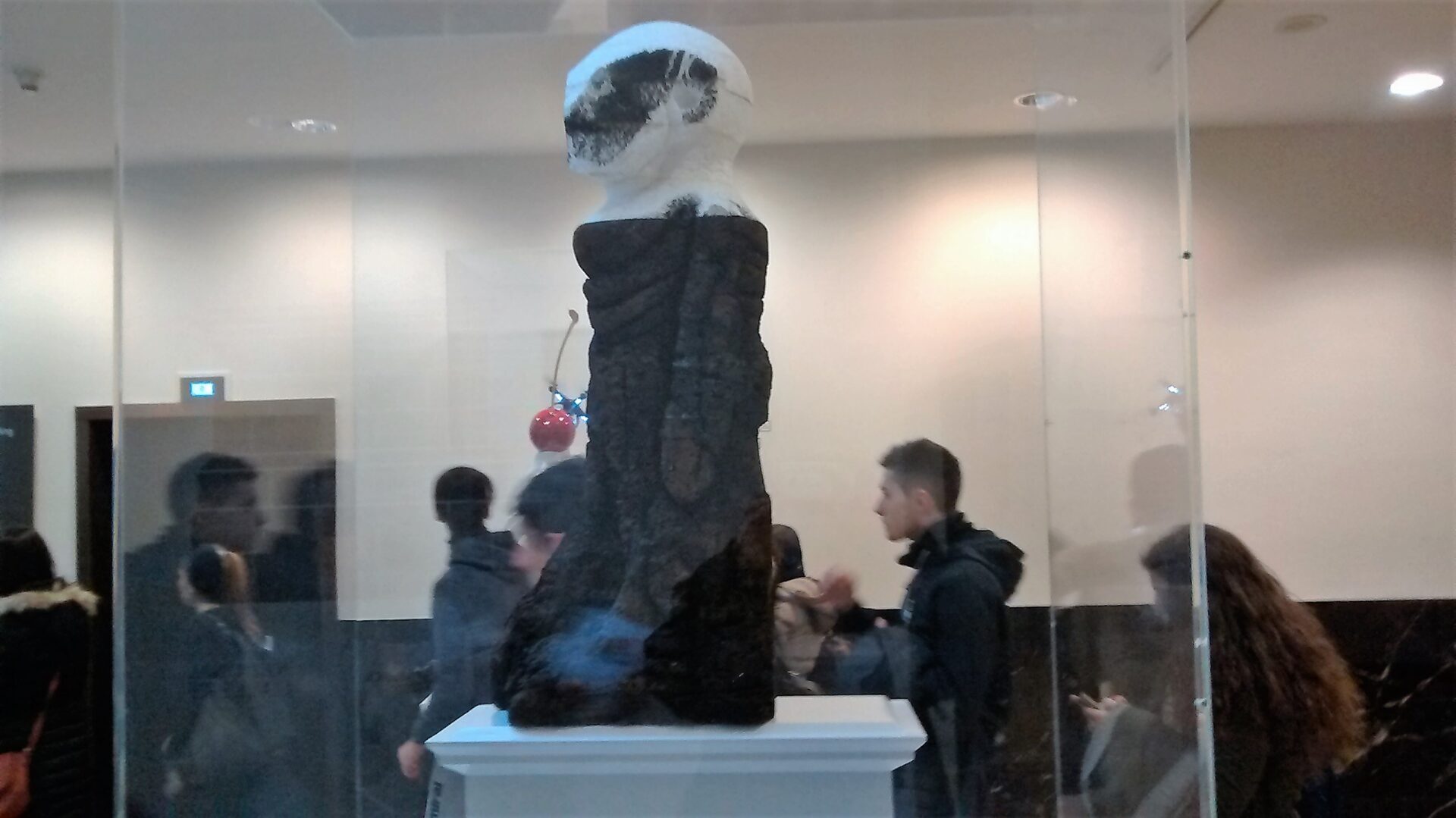
But before considering the more interesting works, there is one real duffer that deserves a bit of a pasting and that’s Huma Bhabha’s disfigured white block of polystyrene stuck on a pair of brown cork legs. Apparently the artist’s intention was to make some kind of reference to war and colonialism via the tropes of sci-fi movie characters. And while an artistic exploration of such phenomena could doubtless be a noble and stimulating intellectual endeavour, that the actual physical expression of the artist’s efforts in that direction should result in such an uninspiring amorphous lump of nothing very much suggests that maybe its creator should consider reevaluating her methods of artistic practice. Unless, of course, the judges end up making her the winner and putting her on the podium, in which case I would have to concede that in the current post-truth, post-rational, post-sense world we now inhabit, she may well be on to something, and more in tune with the socio-cultural zeitgeist than I am, pontificating as I do from within the confines of my old-fashioned ivory tower.
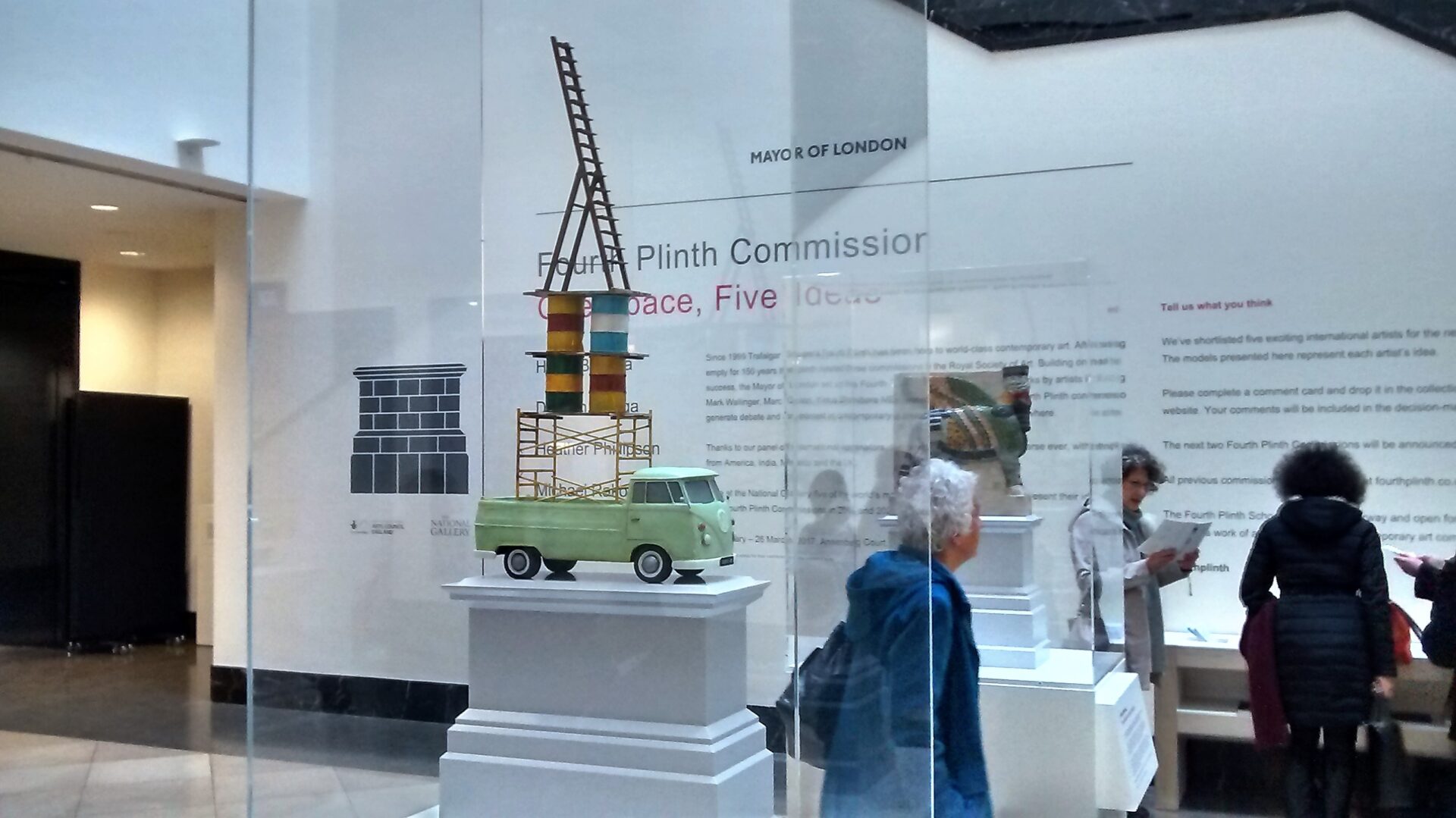
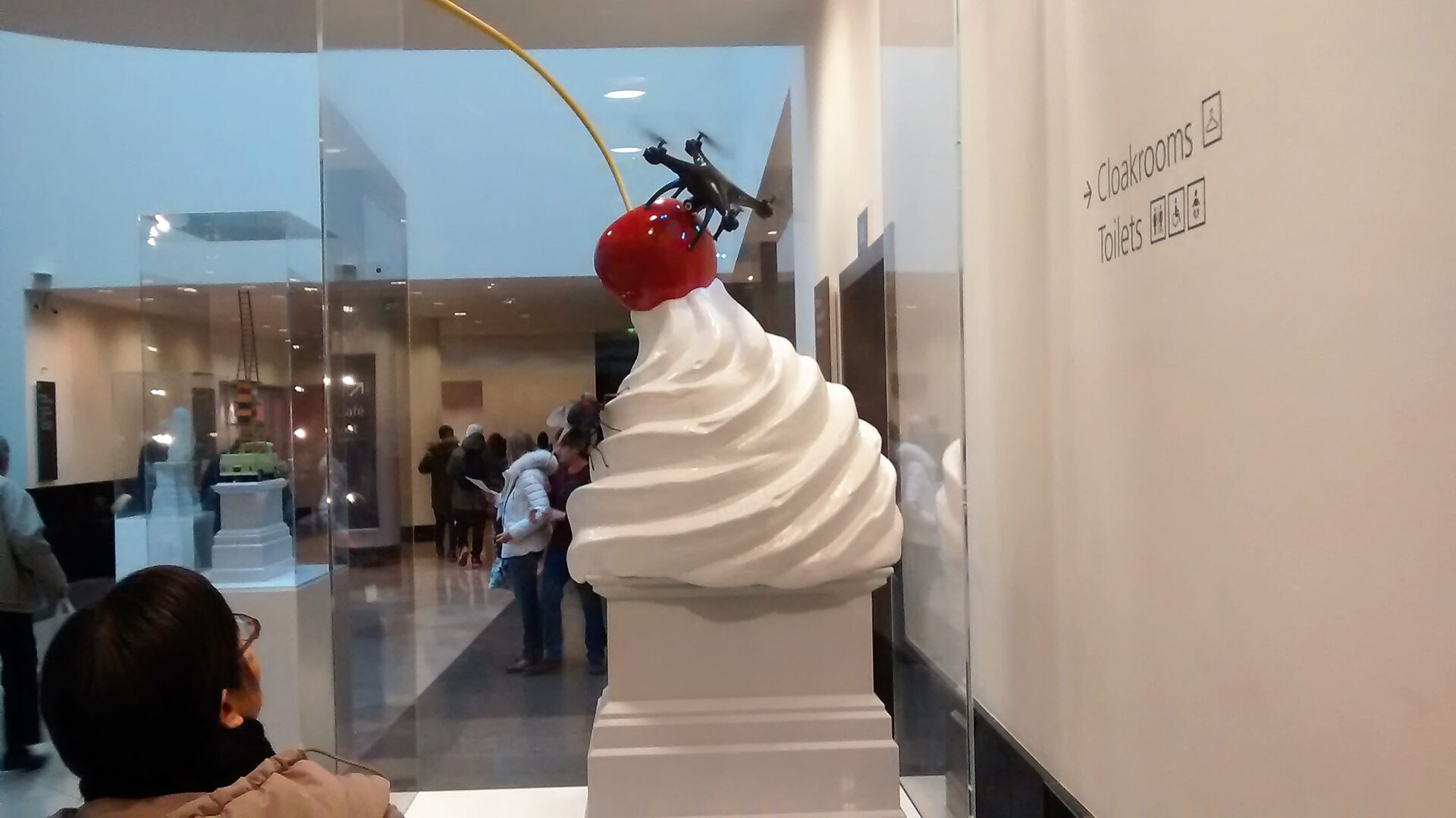
Anyway, back to the art and next along comes Damian Ortega, who offers up a model VW van on top of which is balanced some oil drums and a ladder going nowhere, and Heather Phillipson who sticks a cherry on top of a whirl of cream and decorates the ensemble with a giant fly and a whirring drone. At a stretch I suppose it’s possible to try to compose some sort of metaphorical narrative about each piece. Something about global warming, the precarious nature of an oil-based economy and the duplicity of VW engineers in deliberately misstating the polluting impact of their diesel emissions. And then maybe the ubiquity of fly-on-the-wall surveillance and the role of sugary desserts in the …in the…er, in the decline of civilisation and…er…ok, I give up on this last bit and admit I’ve no idea what the artist is actually trying to communicate with her fruity confection. Ultimately, I think both pieces can probably be classified as eye-catching examples of a sort of exuberant Pop Art whimsy which maybe a little stylistically dated but would prove to be inoffensive enough vehicles with which to divert the passing crowds that breeze through this part of central London.
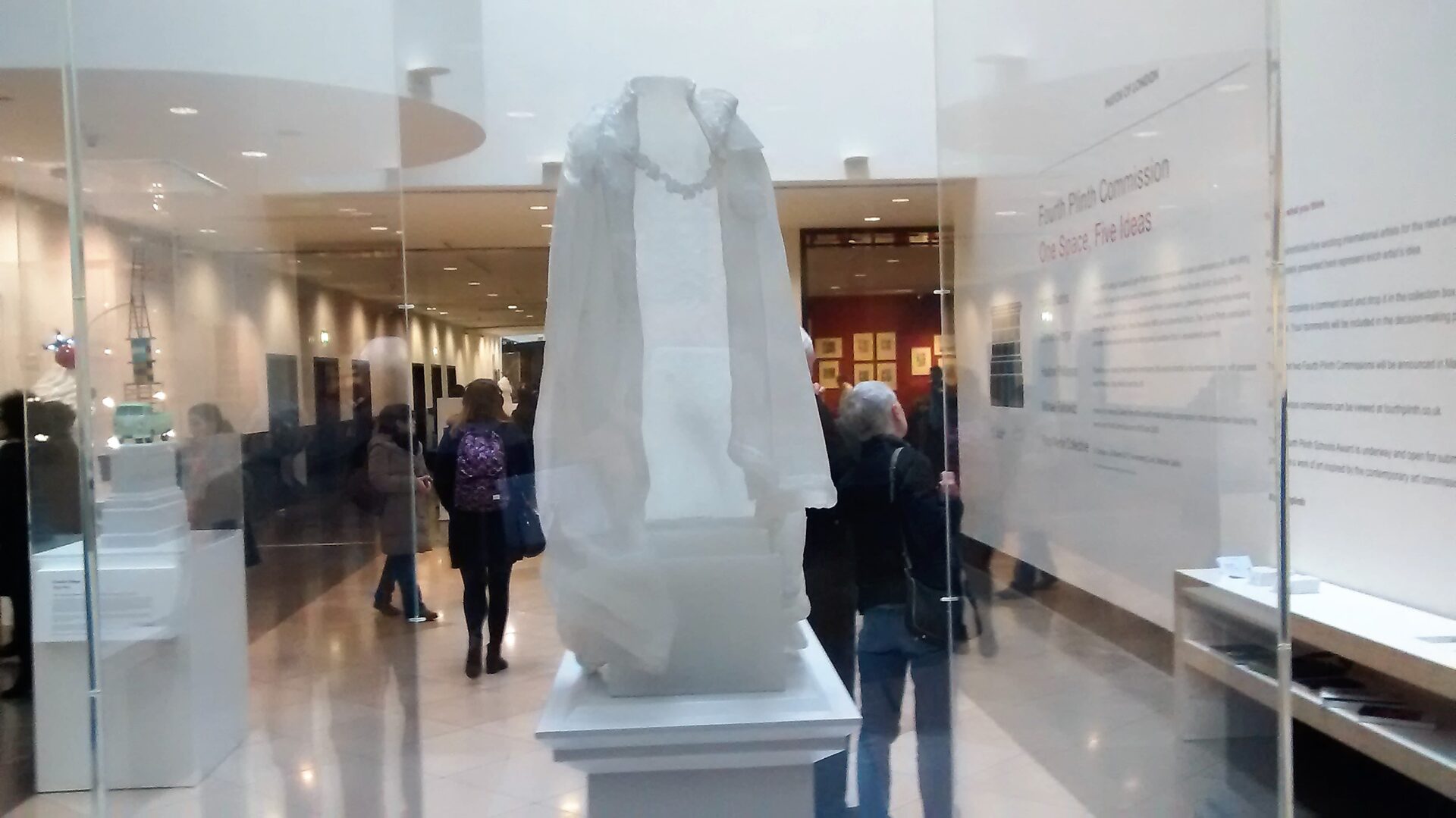
Which leads on to the two contenders that might actually look quite attractive while also being able to stimulate some sort of reasonably intelligent internal intellectual meanderings. The Raqs Meida Collective have come up with a sort of white marble cloak, the kind of which might, in more traditional circumstances, have been the official costume of a mayor or other local dignitary, honoured by being given marmoreal form and placed on a pedestal outside the local town hall. However, on this occasion, the garment is empty which perhaps prompts some speculation on the past nature of those who inhabited such vestments and the appropriateness of their continued commemoration. The self-styled philosophical agent provocateurs who created the piece have titled it The Emperors Old Clothes, which I think is a decent enough combination of word play and visual punning for this particular sculptural work. Although, at a time when so much contemporary art, especially the Conceptual kind, is so highly valued by a small cognoscenti and yet considered so banal by the majority of society, there’s a danger that this jokey self-referentiality might be considered to be a bit too apposite.
And that leaves the final work, Michael Rakowitz’s recreation of the winged bull that stood for over two-and-a-half millennia at the entrance to the Nergal Gate in Nineveh until it was among the ancient cultural artefacts destroyed by the dismal Isis fanatics back in 2015. Not only does this magnificent chimera look impressively imposing stuck back up on a platform where everyone can admire its neatly carved outlines and marvel at the utter infeasibility of its purported aerodynamic structure, it also encourages consideration of the value, power and symbolism of an art that can inspire such equal measures of admiration and detestation in the eyes of those with different views of how the world goes round. Incidentally, for those of us who enjoy the luxury of living within the embrace of the civilised nations of the west and are confident in decrying the vandalsim of today’s religious fundamentalists of the east, it might be worth a walk down the road to the British Museum. Herein resides other creatures very similar to those destroyed by today’s brutal iconoclasts except that their fate was to be wrenched from their original desert locations and shipped back to London courtesy of the collectomaniac archaeological obsessives of an earlier age. While clearly nowhere near as egregious and reprehensible as the more recent acts of appalling nihilistic destruction undertaken with such verve by the foot soldiers of Isis, the cultural pillaging carried out by most of the European nations at one time or another in order to stock their museums with a comprehensive collection of wonders from around the globe perhaps should engender just a slight sense of contemporary discomfort. I certainly felt a twinge of embarrassment a couple of years ago when walking around the new museum in Athens where spaces have been very deliberately set aside in the hope that one day the Elgin Marbles are finally returned.
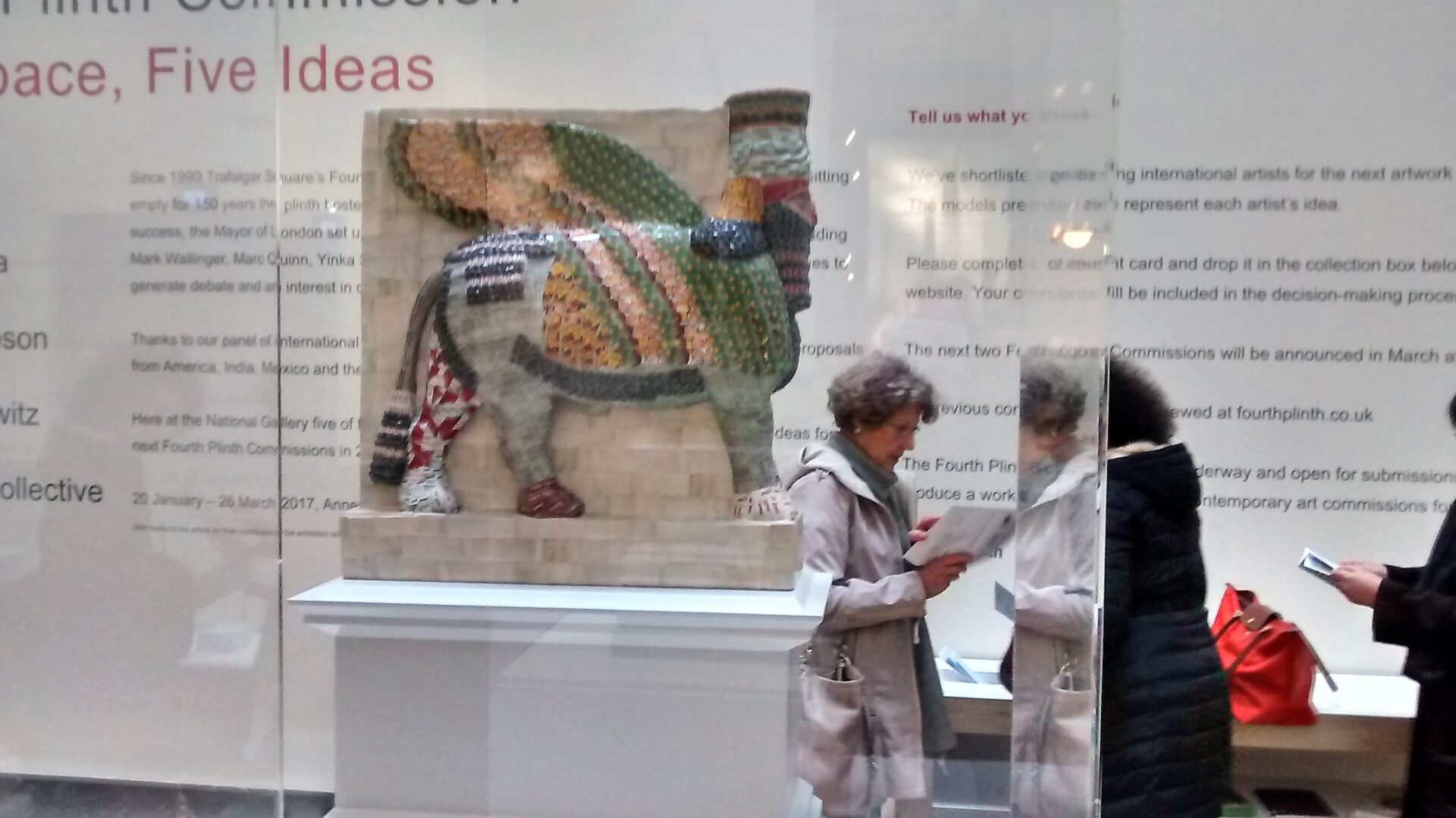
Maybe if Rakowitz’s chunky beast wins the competition and subsequently finds its place on the fourth plinth perhaps, after a suitable period of residence, it could be shipped over to Iraq for display as a fitting rebuke to the cranks who destroyed its predecessor.
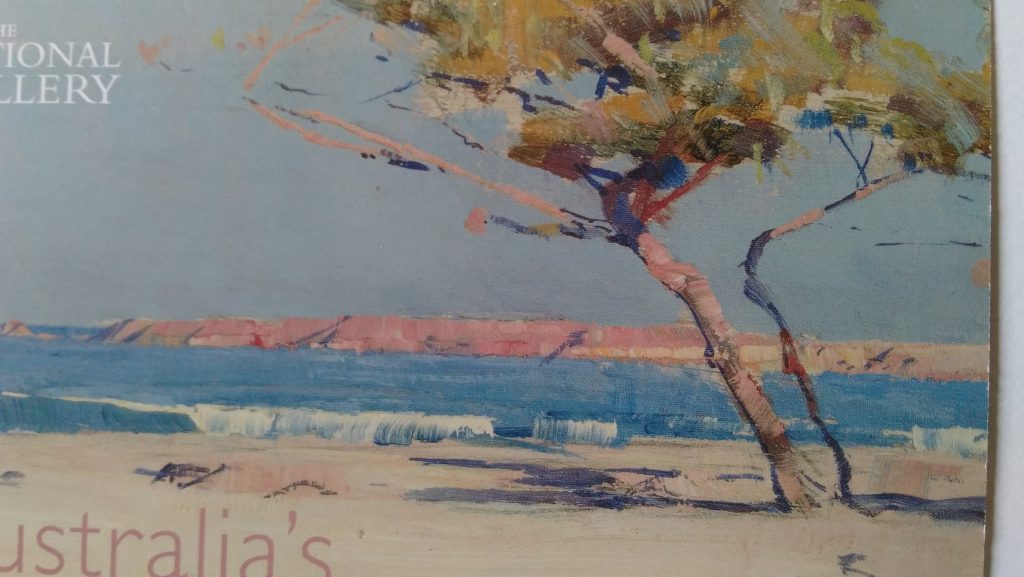
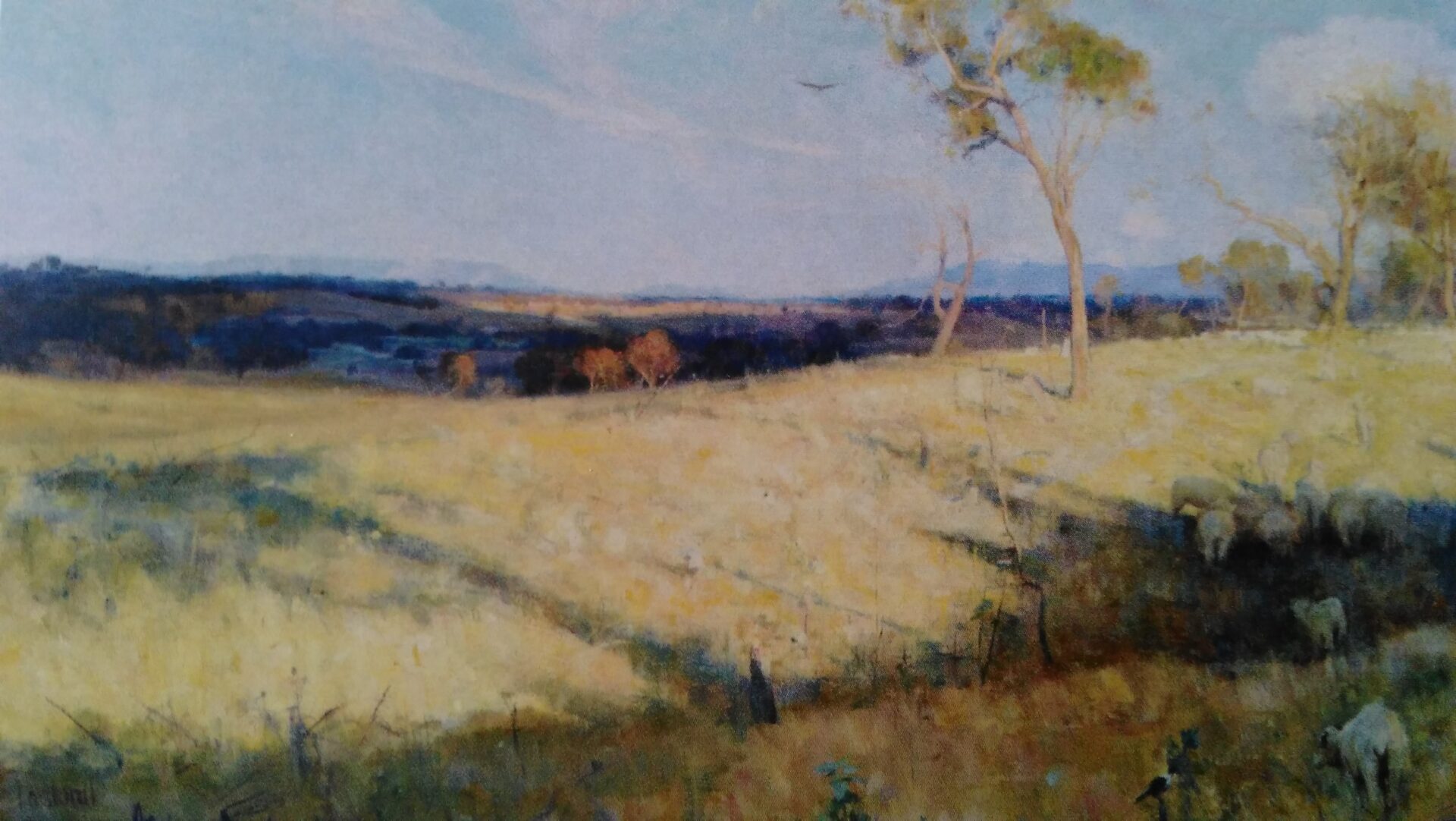
So, what else is on show at the National Gallery? Well, the main temporary show at present is entitled Australia’s Impressionists of which, I suppose, the sporting equivalent might be something along the lines of France’s Cricketers. For, without wanting to be too culturally insensitive, I probably don’t need to point out that while God’s own country may have proved to be exceptionally fertile ground for the production of all manner of gifted athletes and talented sportsmen, the number of notable visual artists that has sprung from that fabulous sun-burnished land is generally considered to have been perhaps just a little bit limited and subpar. And, frankly, when it comes to Impressionism it’s really only the French version that counts for very much. Having said all that, I’m all for venerable institutions like our National Gallery, rootling around among the lesser known byways and backwaters of cultural expression and activity no matter how far flung they may be if it results in interesting fresh discoveries that might titillate a palette grown jaded by an overindulgence of the familiar fruits of the European and North American canon. Alas, while the artists featured in this small show were all reasonably competent painters, none displays any kind of exceptionalism either in their painterly technique or in the compositions of the subject matter they chose to record. As a result, walking around the selection of landscapes, seascapes and cityscapes is a pleasant enough diversion but if you’ve got half an hour to kill it probably makes better sense to save on the £6.50 entrance charge and have a look at the proper Impressionist stuff from Pissarro, Renoir and the rest of the gang whose works are on show in the Gallery’s permanent collection which is, of course, free to see.
Hi
I’ve just been to Zablodowicz and thought ‘One & Other’ was rather good. Also Helen Knowles courtroom piece indicting an algorithm.
See what you think…
Gail
In fact both shows will be appearing in my very next blog.